The Ascension of the Lord
VIGIL MASS OF THE HOLYDAY ON WEDNESDAY (8 May 2024)
4:00pm
Holyday Masses on Thursday (9 May 2024)
8:45am, 12:05pm and 7:00pm
Sunday Mass
ANTICIPATED ON SATURDAY EVENINGS
4:00pm English — 7:00pm Español
Sunday Morning Masses
8:00am, 9:30am and 11:00am
Monday through Friday Masses
8:45am
FOOD CUPBOARD
Mondays and Fridays, 12:00noon — 2:00pm
Exceptions to this schedule are found
on the Parish Calendar
As of April 2024, our pantry is in need of:
cereals, applesauce, canned fruits, spam, bread crumbs, condiments, coffee and drinks.
ORDER of PENANCE
Saturdays: 3:00pm – 3:30pm
First Fridays: 8:15am
Call for other opportunities
ORDER of CHRISTIAN INITIATION of ADULTS
For teenagers, young adults and adults who desire to be baptized, to be confirmed, to receive First Holy Communion and/or to become a Catholic Christian, kindly call the Parish Faith Formation Office.
ORDER of BAPTISM of CHILDREN
Español
El primer domingo de cada mes
despues de la Misa de la 11:00am
English
Last Sunday of each month
after 11:00am Mass
ANOINTING of the SICK
For those who are homebound, experiencing serious illness or upcoming surgery, kindly call the Parish and arrange a time for this Sacrament and, if desired, the Sacraments of Penance and Most Holy Eucharist
ORDER of CELEBRATING MATRIMONY
Information will be forthcoming shortly. In the meantime, kindly call the Parish
CONSECRATED LIFE and HOLY ORDERS
For women and men discerning a call to Consecrated Life, phone or email Sr Gabrielle Mary Braccio, RSM at the Archdiocesan Office for Consecrated Life
For men, married or single, discerning a call to be a Deacon, phone or email Msgr. Gregory Fairbanks at the School of Diaconal Formation
For men discerning a call to be a Priest, phone or email Fr. David Friel at the Vocation Office for the Diocesan Priesthood
The Easter Season
O God,
Who on this day, through Your Only Begotten Son,
have conquered death
and unlocked for us the path to eternity,
grant, we pray, that we who keep
the solemnity of the Lord’s Resurrection
may, through the renewal brought by Your Spirit,
rise up in the light of life.
Through our Lord Jesus Christ, Your Son,
who lives and reigns with You
in the unity of the Holy Spirit,
God, for ever and ever. Amen.
Alleluia! Alleluia!
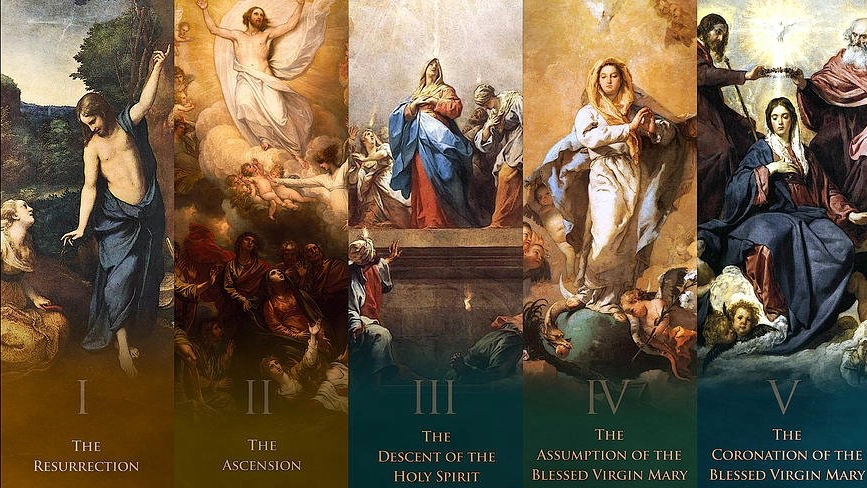
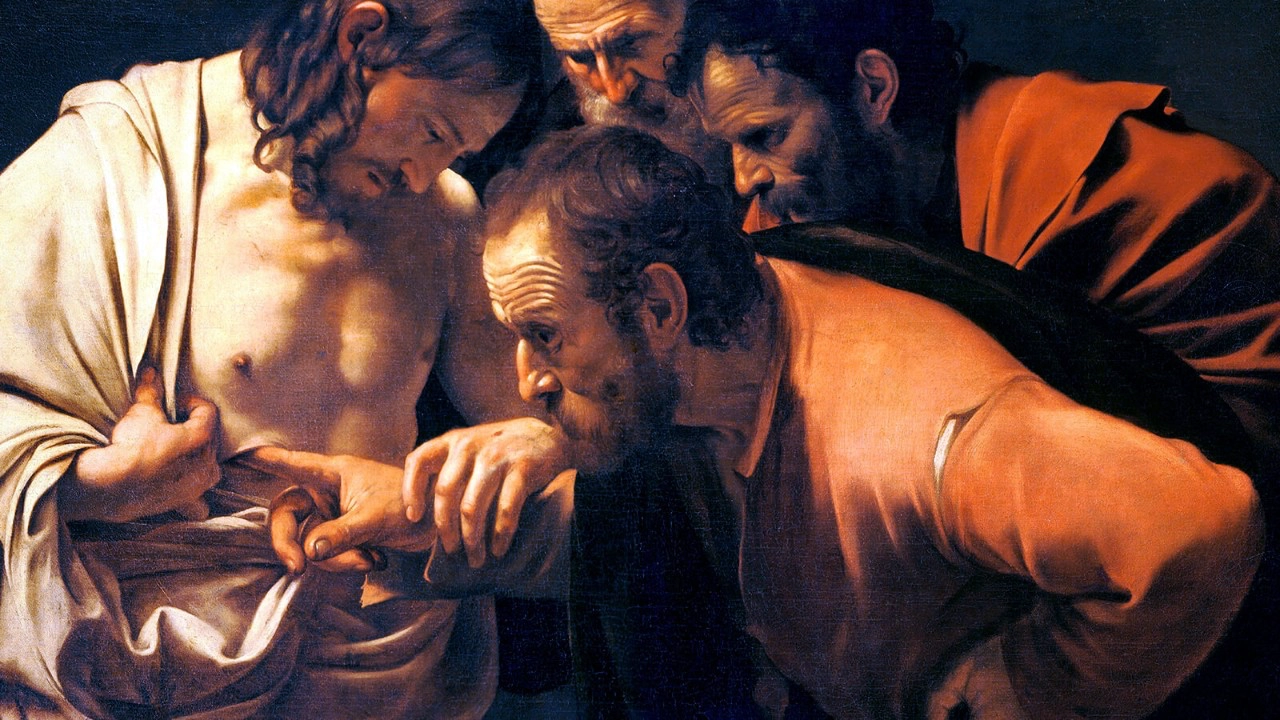
As the Solemnity of Jesus’ Resurrection dawns, the Church enters a 50 day period of time known as the Easter Season. In the year 329, Saint Athanasius, bishop of Alexandria Egypt and 1 of the four Great Eastern Fathers of the Church, described the Easter Season as “one great Sunday” celebrated in joy and exultation as one feast day marked by singing “Alleluia!“ (Festival Letter 1) The mind-boggling reality of Jesus’ Resurrection can not be reduced to a one-day, yearly recall of a historical event lodged in the past. Jesus’ rising to new life shapes who each is as a believer in the present and will be the basis for each believer’s hope for eternal life. Honestly, we need more than 50 days for this to soak deeply into the fiber of our being.
The Easter Season is intimately linked to the Period of Postbaptismal Catechesis or Mystagogy in the Order of Christian Initiation of Adults (Mystagogy comes from joining two Greek words that can be translated, “unfolding of the Mysteries” [in early Christianity, Mystery was the original word to refer to Sacrament]). The neophytes (those who were baptized, confirmed and received Holy Communion for the first time at the Easter Vigil in the Holy Night) enter this Season “to grow in deepening their grasp of the Paschal Mystery and in making it part of their lives through meditation on the Gospel, sharing in the Eucharist and doing works of charity.” (Rite of Christian Initiation of Adults [1988], 244) Interestingly, the Church notes that this Season of growth involves the whole Christian community as well.